
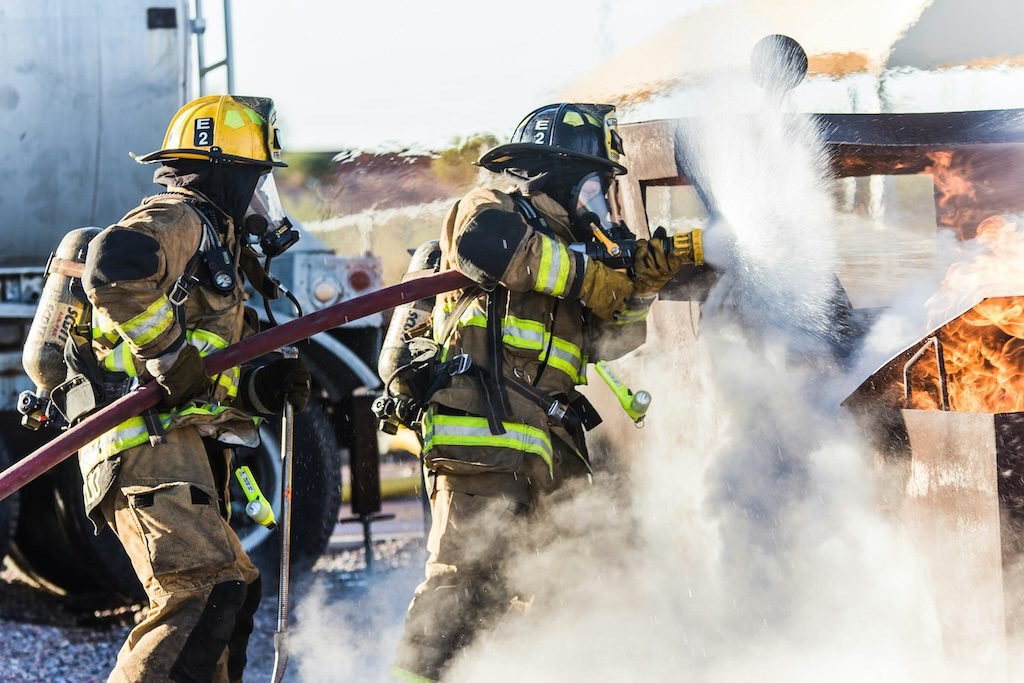
A fire watch is not optional. When your fire alarm or sprinkler system goes down, local fire codes require trained personnel to patrol your property until the system is back online. Ignoring that rule can lead to daily fines, a suspended certificate of occupancy, or a denied insurance claim after a loss.
This guide explains the fire watch requirements every property manager, general contractor, and business owner should know. Above all, it shows you exactly when a fire watch becomes mandatory and what inspectors expect to see.
What is a fire watch?
A fire watch is a temporary safety measure. Trained guards patrol a building or job site on a set schedule, look for smoke, sparks, or heat, and keep a written log of every round. If they spot a hazard, they act immediately and call 911.
In other words, the guard replaces your fire protection system while it cannot do its job. The fire marshal treats that human presence as the legal substitute for your alarms and sprinklers.
When is a fire watch required?
Fire codes across the United States follow the National Fire Protection Association (NFPA) standards and OSHA regulations. As a result, the triggers are consistent from state to state, even though local details vary.
You need a fire watch when:
- Your fire alarm system is out of service for more than 4 hours in a 24-hour period (NFPA 72).
- Your sprinkler system is impaired for more than 10 hours in a 24-hour period (NFPA 25).
- Hot work is performed near combustible materials. Welding, cutting, grinding, brazing, and torch-down roofing all count (NFPA 51B and OSHA 1910.252).
- A construction site is active and the permanent fire protection system is not yet operational (NFPA 241).
- A fire marshal orders it. After a code violation, the inspector can require interim coverage until repairs are complete.
- A special event increases risk. Temporary structures, high occupancy, or pyrotechnics often trigger a mandatory watch.
Therefore, the moment your system fails or hot work begins, the clock starts running. Most jurisdictions expect coverage in place within hours, not days.
Core fire watch requirements during the watch
Once the watch begins, the guard must follow specific rules. Fire marshals check these points during inspections, so each one matters.
Continuous patrols on a fixed schedule
Guards must walk the entire affected area, interior and exterior, at regular intervals. Many jurisdictions require rounds every 30 minutes. In addition, hot work zones need monitoring for at least 30 minutes after the work ends, because smoldering fires often start late.
Detailed fire watch logs
A log that only says “all clear” will not pass an inspection. Instead, each entry should record the time, the route, the guard’s name, the conditions observed, and any corrective action taken. Digital logs with GPS verification give you the strongest evidence during a fire marshal review or an insurance audit.
Trained and licensed personnel
The person on watch cannot be a regular employee pulled from another task. Fire watch guards need training in hazard recognition, alarm notification, evacuation support, and extinguisher use. Furthermore, most states require a security license, and some cities add their own certification on top.
Immediate communication
The guard must be able to reach the fire department without delay. That means a working phone or radio at all times, plus clear instructions on who to notify inside your organization.
What happens if you skip a fire watch?
The consequences go far beyond a warning. Consider the real costs:
- Daily fines from the fire marshal until you comply.
- A stop-work order on construction sites, which delays your entire project.
- A suspended certificate of occupancy, which can force tenants out.
- A denied insurance claim if a fire occurs during an unwatched impairment.
Compare that with the hourly cost of a professional guard. The math is simple: a fire watch costs a fraction of a single day’s fine, and far less than an uncovered loss.
Who is responsible for arranging the fire watch?
Responsibility falls on the property owner or the party in control of the site. On a construction project, that usually means the general contractor. In a commercial building, the property manager handles it. However, the fire marshal will hold the owner accountable if no one acts, so never assume someone else made the call.
How to stay compliant step by step
Follow this sequence the moment a system goes down or hot work is scheduled:
- Notify the fire department and your insurance carrier. Most codes require formal notice of the impairment.
- Contact a licensed fire watch provider. Confirm they can deploy within hours and that their guards carry the proper state license.
- Request a site-specific patrol plan. The provider should map routes, patrol frequency, and escalation contacts before the first round.
- Keep the logs accessible. Inspectors can show up unannounced, so the documentation must be on site and up to date.
- End the watch only when the system is restored and tested. Get written confirmation before releasing the guards.
Get compliant fire watch coverage today
Fire watch requirements exist to protect lives, property, and your legal standing. Meeting them is straightforward when you work with a provider that knows the codes and documents every patrol.
ATA Guard deploys licensed fire watch guards nationwide, often the same day you call. Our teams follow NFPA and OSHA standards, keep real-time digital logs, and coordinate directly with your local fire marshal. Request a free quote and get coverage in place before the fines start.

